Article



Medical Costs Keep Rising. Here’s What You Can Do About It
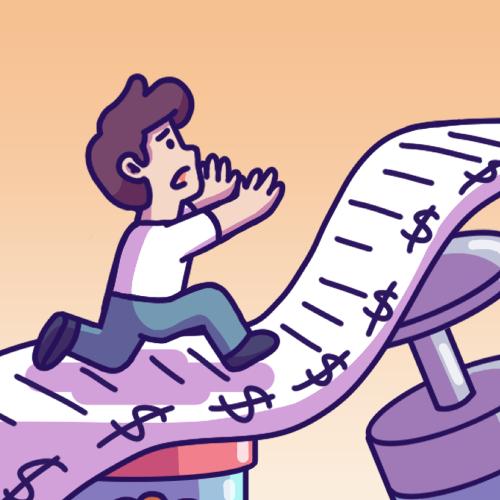
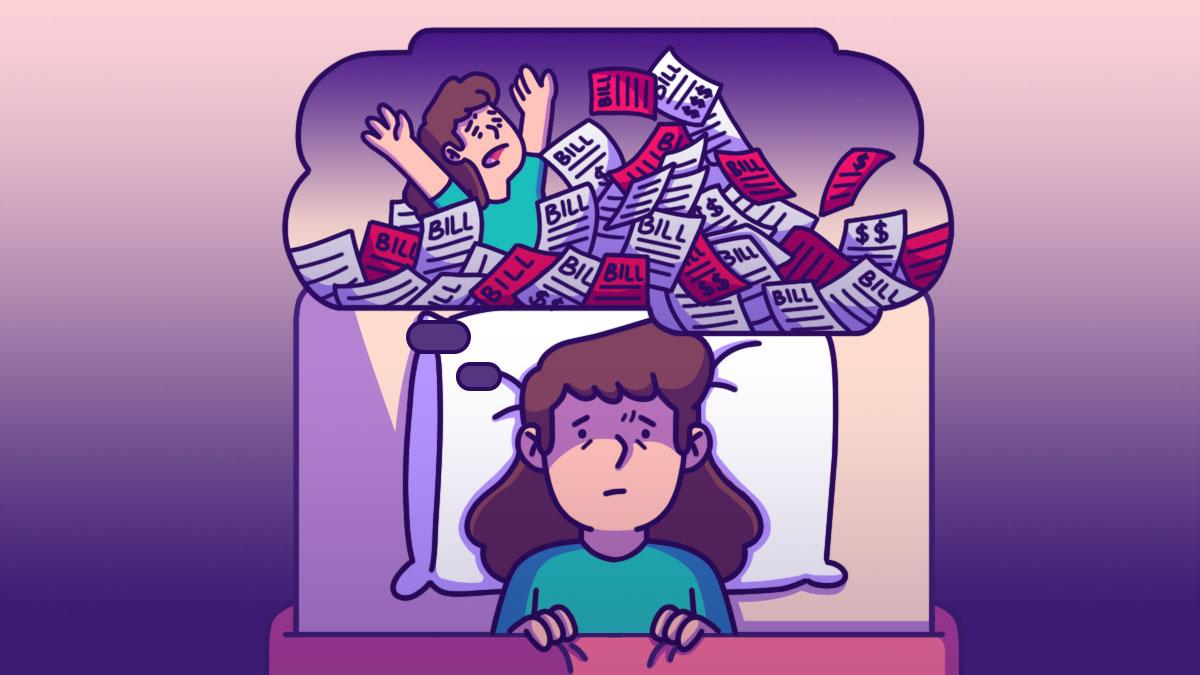
With everything around us getting more expensive, it should come as no surprise that medical costs are affected too, and it has been rising at quite a staggering rate. With everything around us getting more expensive, it should come as no surprise that medical costs are affected too, and it has been rising at quite a staggering rate. With everything around us getting more expensive, it should come as no surprise that medical costs are affected too, and it has been rising at quite a staggering rate. With everything around us getting more expensive, it should come as no surprise that medical costs are affected too, and it has been rising at quite a staggering rate. With everything around us getting more expensive, it should come as no surprise that medical costs are affected too, and it has been rising at quite a staggering rate. With everything around us getting more expensive, it should come as no surprise that medical costs are affected too, and it has been rising at quite a staggering rate. With everything around us getting more expensive, it should come as no surprise that medical costs are affected too, and it has been rising at quite a staggering rate. With everything around us getting more expensive, it should come as no surprise that medical costs are affected too, and it has been rising at quite a staggering rate. With everything around us getting more expensive, it should come as no surprise that medical costs are affected too, and it has been rising at quite a staggering rate. With everything around us getting more expensive, it should come as no surprise that medical costs are affected too, and it has been rising at quite a staggering rate. Last year, it was reported that Malaysia’s medical inflation was 16.2%, which is well above the global average and the second highest in the Asia-Pacific region, lagging only behind India. This is frightening because high and continually rising medical costs can quickly erode your savings. If you have a prolonged illness, it can easily deplete your retirement savings in your golden years, or worse – if you are unable to seek treatment because of the high prices, it can cause your illness to worsen and your condition to deteriorate. Last year, it was reported that Malaysia’s medical inflation was 16.2%, which is well above the global average and the second highest in the Asia-Pacific region, lagging only behind India. This is frightening because high and continually rising medical costs can quickly erode your savings. If you have a prolonged illness, it can easily deplete your retirement savings in your golden years, or worse – if you are unable to seek treatment because of the high prices, it can cause your illness to worsen and your condition to deteriorate. Last year, it was reported that Malaysia’s medical inflation was 16.2%, which is well above the global average and the second highest in the Asia-Pacific region, lagging only behind India. This is frightening because high and continually rising medical costs can quickly erode your savings. If you have a prolonged illness, it can easily deplete your retirement savings in your golden years, or worse – if you are unable to seek treatment because of the high prices, it can cause your illness to worsen and your condition to deteriorate. Last year, it was reported that Malaysia’s medical inflation was 16.2%, which is well above the global average and the second highest in the Asia-Pacific region, lagging only behind India. This is frightening because high and continually rising medical costs can quickly erode your savings. If you have a prolonged illness, it can easily deplete your retirement savings in your golden years, or worse – if you are unable to seek treatment because of the high prices, it can cause your illness to worsen and your condition to deteriorate. Last year, it was reported that Malaysia’s medical inflation was 16.2%, which is well above the global average and the second highest in the Asia-Pacific region, lagging only behind India. This is frightening because high and continually rising medical costs can quickly erode your savings. If you have a prolonged illness, it can easily deplete your retirement savings in your golden years, or worse – if you are unable to seek treatment because of the high prices, it can cause your illness to worsen and your condition to deteriorate. Last year, it was reported that Malaysia’s medical inflation was 16.2%, which is well above the global average and the second highest in the Asia-Pacific region, lagging only behind India. This is frightening because high and continually rising medical costs can quickly erode your savings. If you have a prolonged illness, it can easily deplete your retirement savings in your golden years, or worse – if you are unable to seek treatment because of the high prices, it can cause your illness to worsen and your condition to deteriorate. Last year, it was reported that Malaysia’s medical inflation was 16.2%, which is well above the global average and the second highest in the Asia-Pacific region, lagging only behind India. This is frightening because high and continually rising medical costs can quickly erode your savings. If you have a prolonged illness, it can easily deplete your retirement savings in your golden years, or worse – if you are unable to seek treatment because of the high prices, it can cause your illness to worsen and your condition to deteriorate. Last year, it was reported that Malaysia’s medical inflation was 16.2%, which is well above the global average and the second highest in the Asia-Pacific region, lagging only behind India. This is frightening because high and continually rising medical costs can quickly erode your savings. If you have a prolonged illness, it can easily deplete your retirement savings in your golden years, or worse – if you are unable to seek treatment because of the high prices, it can cause your illness to worsen and your condition to deteriorate. Last year, it was reported that Malaysia’s medical inflation was 16.2%, which is well above the global average and the second highest in the Asia-Pacific region, lagging only behind India. This is frightening because high and continually rising medical costs can quickly erode your savings. If you have a prolonged illness, it can easily deplete your retirement savings in your golden years, or worse – if you are unable to seek treatment because of the high prices, it can cause your illness to worsen and your condition to deteriorate. Last year, it was reported that Malaysia’s medical inflation was 16.2%, which is well above the global average and the second highest in the Asia-Pacific region, lagging only behind India. This is frightening because high and continually rising medical costs can quickly erode your savings. If you have a prolonged illness, it can easily deplete your retirement savings in your golden years, or worse – if you are unable to seek treatment because of the high prices, it can cause your illness to worsen and your condition to deteriorate. To put it into perspective, if medical costs continue to increase by 16% every year, a RM10,000 treatment today would cost RM44,114.35 in 10 years, and RM194,607.59 in 20 years. And that’s not a very affordable number. But rather than just hoping that you may not need medical treatment in the future, here are some steps you can take to ensure that you can cope with rising medical costs. To put it into perspective, if medical costs continue to increase by 16% every year, a RM10,000 treatment today would cost RM44,114.35 in 10 years, and RM194,607.59 in 20 years. And that’s not a very affordable number. But rather than just hoping that you may not need medical treatment in the future, here are some steps you can take to ensure that you can cope with rising medical costs. To put it into perspective, if medical costs continue to increase by 16% every year, a RM10,000 treatment today would cost RM44,114.35 in 10 years, and RM194,607.59 in 20 years. And that’s not a very affordable number. But rather than just hoping that you may not need medical treatment in the future, here are some steps you can take to ensure that you can cope with rising medical costs. To put it into perspective, if medical costs continue to increase by 16% every year, a RM10,000 treatment today would cost RM44,114.35 in 10 years, and RM194,607.59 in 20 years. And that’s not a very affordable number. But rather than just hoping that you may not need medical treatment in the future, here are some steps you can take to ensure that you can cope with rising medical costs. To put it into perspective, if medical costs continue to increase by 16% every year, a RM10,000 treatment today would cost RM44,114.35 in 10 years, and RM194,607.59 in 20 years. And that’s not a very affordable number. But rather than just hoping that you may not need medical treatment in the future, here are some steps you can take to ensure that you can cope with rising medical costs. To put it into perspective, if medical costs continue to increase by 16% every year, a RM10,000 treatment today would cost RM44,114.35 in 10 years, and RM194,607.59 in 20 years. And that’s not a very affordable number. But rather than just hoping that you may not need medical treatment in the future, here are some steps you can take to ensure that you can cope with rising medical costs. To put it into perspective, if medical costs continue to increase by 16% every year, a RM10,000 treatment today would cost RM44,114.35 in 10 years, and RM194,607.59 in 20 years. And that’s not a very affordable number. But rather than just hoping that you may not need medical treatment in the future, here are some steps you can take to ensure that you can cope with rising medical costs. To put it into perspective, if medical costs continue to increase by 16% every year, a RM10,000 treatment today would cost RM44,114.35 in 10 years, and RM194,607.59 in 20 years. And that’s not a very affordable number. But rather than just hoping that you may not need medical treatment in the future, here are some steps you can take to ensure that you can cope with rising medical costs. To put it into perspective, if medical costs continue to increase by 16% every year, a RM10,000 treatment today would cost RM44,114.35 in 10 years, and RM194,607.59 in 20 years. And that’s not a very affordable number. But rather than just hoping that you may not need medical treatment in the future, here are some steps you can take to ensure that you can cope with rising medical costs. To put it into perspective, if medical costs continue to increase by 16% every year, a RM10,000 treatment today would cost RM44,114.35 in 10 years, and RM194,607.59 in 20 years. And that’s not a very affordable number. But rather than just hoping that you may not need medical treatment in the future, here are some steps you can take to ensure that you can cope with rising medical costs. Get medical and health insurance The main purpose of medical and health insurance (MHI) is to have some, if not all of your medical costs covered if you come down with an illness or injury. The hospitalisation portion of a policy kicks in when you incur costly hospital and treatment bills due to illness, sickness or injury. It usually also pays for consultation fees, surgery, medication and outpatient treatments, but always be sure to look at your policy details as not all insurance policies are the same. For critical illnesses, such as cancer, stroke and heart attack, the cost of treatment can be pretty hefty, and you are usually unable to get back to work within a short period of time, and may have to dig into your savings to tide you over. If your policy covers critical illness, it pays out a lump sum that can cover some, if not all of medical and living costs. Having insurance for your medical needs protects your savings from being eaten up by medical costs, ensuring that your financial goals are not interrupted. It also allows you to get the best treatment without having to worry about the cost. How it works: When you sign up for an insurance policy, you have to pay a premium to the insurance company to service your policy. The premium can be monthly, half-yearly or yearly. Your coverage will depend on your policy and what you sign up for. Get medical and health insurance The main purpose of medical and health insurance (MHI) is to have some, if not all of your medical costs covered if you come down with an illness or injury. The hospitalisation portion of a policy kicks in when you incur costly hospital and treatment bills due to illness, sickness or injury. It usually also pays for consultation fees, surgery, medication and outpatient treatments, but always be sure to look at your policy details as not all insurance policies are the same. For critical illnesses, such as cancer, stroke and heart attack, the cost of treatment can be pretty hefty, and you are usually unable to get back to work within a short period of time, and may have to dig into your savings to tide you over. If your policy covers critical illness, it pays out a lump sum that can cover some, if not all of medical and living costs. Having insurance for your medical needs protects your savings from being eaten up by medical costs, ensuring that your financial goals are not interrupted. It also allows you to get the best treatment without having to worry about the cost. How it works: When you sign up for an insurance policy, you have to pay a premium to the insurance company to service your policy. The premium can be monthly, half-yearly or yearly. Your coverage will depend on your policy and what you sign up for. Get medical and health insurance The main purpose of medical and health insurance (MHI) is to have some, if not all of your medical costs covered if you come down with an illness or injury. The hospitalisation portion of a policy kicks in when you incur costly hospital and treatment bills due to illness, sickness or injury. It usually also pays for consultation fees, surgery, medication and outpatient treatments, but always be sure to look at your policy details as not all insurance policies are the same. For critical illnesses, such as cancer, stroke and heart attack, the cost of treatment can be pretty hefty, and you are usually unable to get back to work within a short period of time, and may have to dig into your savings to tide you over. If your policy covers critical illness, it pays out a lump sum that can cover some, if not all of medical and living costs. Having insurance for your medical needs protects your savings from being eaten up by medical costs, ensuring that your financial goals are not interrupted. It also allows you to get the best treatment without having to worry about the cost. How it works: When you sign up for an insurance policy, you have to pay a premium to the insurance company to service your policy. The premium can be monthly, half-yearly or yearly. Your coverage will depend on your policy and what you sign up for. Get medical and health insurance The main purpose of medical and health insurance (MHI) is to have some, if not all of your medical costs covered if you come down with an illness or injury. The hospitalisation portion of a policy kicks in when you incur costly hospital and treatment bills due to illness, sickness or injury. It usually also pays for consultation fees, surgery, medication and outpatient treatments, but always be sure to look at your policy details as not all insurance policies are the same. For critical illnesses, such as cancer, stroke and heart attack, the cost of treatment can be pretty hefty, and you are usually unable to get back to work within a short period of time, and may have to dig into your savings to tide you over. If your policy covers critical illness, it pays out a lump sum that can cover some, if not all of medical and living costs. Having insurance for your medical needs protects your savings from being eaten up by medical costs, ensuring that your financial goals are not interrupted. It also allows you to get the best treatment without having to worry about the cost. How it works: When you sign up for an insurance policy, you have to pay a premium to the insurance company to service your policy. The premium can be monthly, half-yearly or yearly. Your coverage will depend on your policy and what you sign up for. Get medical and health insurance The main purpose of medical and health insurance (MHI) is to have some, if not all of your medical costs covered if you come down with an illness or injury. The hospitalisation portion of a policy kicks in when you incur costly hospital and treatment bills due to illness, sickness or injury. It usually also pays for consultation fees, surgery, medication and outpatient treatments, but always be sure to look at your policy details as not all insurance policies are the same. For critical illnesses, such as cancer, stroke and heart attack, the cost of treatment can be pretty hefty, and you are usually unable to get back to work within a short period of time, and may have to dig into your savings to tide you over. If your policy covers critical illness, it pays out a lump sum that can cover some, if not all of medical and living costs. Having insurance for your medical needs protects your savings from being eaten up by medical costs, ensuring that your financial goals are not interrupted. It also allows you to get the best treatment without having to worry about the cost. How it works: When you sign up for an insurance policy, you have to pay a premium to the insurance company to service your policy. The premium can be monthly, half-yearly or yearly. Your coverage will depend on your policy and what you sign up for. Get medical and health insurance The main purpose of medical and health insurance (MHI) is to have some, if not all of your medical costs covered if you come down with an illness or injury. The hospitalisation portion of a policy kicks in when you incur costly hospital and treatment bills due to illness, sickness or injury. It usually also pays for consultation fees, surgery, medication and outpatient treatments, but always be sure to look at your policy details as not all insurance policies are the same. For critical illnesses, such as cancer, stroke and heart attack, the cost of treatment can be pretty hefty, and you are usually unable to get back to work within a short period of time, and may have to dig into your savings to tide you over. If your policy covers critical illness, it pays out a lump sum that can cover some, if not all of medical and living costs. Having insurance for your medical needs protects your savings from being eaten up by medical costs, ensuring that your financial goals are not interrupted. It also allows you to get the best treatment without having to worry about the cost. How it works: When you sign up for an insurance policy, you have to pay a premium to the insurance company to service your policy. The premium can be monthly, half-yearly or yearly. Your coverage will depend on your policy and what you sign up for. Get medical and health insurance The main purpose of medical and health insurance (MHI) is to have some, if not all of your medical costs covered if you come down with an illness or injury. The hospitalisation portion of a policy kicks in when you incur costly hospital and treatment bills due to illness, sickness or injury. It usually also pays for consultation fees, surgery, medication and outpatient treatments, but always be sure to look at your policy details as not all insurance policies are the same. For critical illnesses, such as cancer, stroke and heart attack, the cost of treatment can be pretty hefty, and you are usually unable to get back to work within a short period of time, and may have to dig into your savings to tide you over. If your policy covers critical illness, it pays out a lump sum that can cover some, if not all of medical and living costs. Having insurance for your medical needs protects your savings from being eaten up by medical costs, ensuring that your financial goals are not interrupted. It also allows you to get the best treatment without having to worry about the cost. How it works: When you sign up for an insurance policy, you have to pay a premium to the insurance company to service your policy. The premium can be monthly, half-yearly or yearly. Your coverage will depend on your policy and what you sign up for. Get medical and health insurance The main purpose of medical and health insurance (MHI) is to have some, if not all of your medical costs covered if you come down with an illness or injury. The hospitalisation portion of a policy kicks in when you incur costly hospital and treatment bills due to illness, sickness or injury. It usually also pays for consultation fees, surgery, medication and outpatient treatments, but always be sure to look at your policy details as not all insurance policies are the same. For critical illnesses, such as cancer, stroke and heart attack, the cost of treatment can be pretty hefty, and you are usually unable to get back to work within a short period of time, and may have to dig into your savings to tide you over. If your policy covers critical illness, it pays out a lump sum that can cover some, if not all of medical and living costs. Having insurance for your medical needs protects your savings from being eaten up by medical costs, ensuring that your financial goals are not interrupted. It also allows you to get the best treatment without having to worry about the cost. How it works: When you sign up for an insurance policy, you have to pay a premium to the insurance company to service your policy. The premium can be monthly, half-yearly or yearly. Your coverage will depend on your policy and what you sign up for. Get medical and health insurance The main purpose of medical and health insurance (MHI) is to have some, if not all of your medical costs covered if you come down with an illness or injury. The hospitalisation portion of a policy kicks in when you incur costly hospital and treatment bills due to illness, sickness or injury. It usually also pays for consultation fees, surgery, medication and outpatient treatments, but always be sure to look at your policy details as not all insurance policies are the same. For critical illnesses, such as cancer, stroke and heart attack, the cost of treatment can be pretty hefty, and you are usually unable to get back to work within a short period of time, and may have to dig into your savings to tide you over. If your policy covers critical illness, it pays out a lump sum that can cover some, if not all of medical and living costs. Having insurance for your medical needs protects your savings from being eaten up by medical costs, ensuring that your financial goals are not interrupted. It also allows you to get the best treatment without having to worry about the cost. How it works: When you sign up for an insurance policy, you have to pay a premium to the insurance company to service your policy. The premium can be monthly, half-yearly or yearly. Your coverage will depend on your policy and what you sign up for. Get medical and health insurance The main purpose of medical and health insurance (MHI) is to have some, if not all of your medical costs covered if you come down with an illness or injury. The hospitalisation portion of a policy kicks in when you incur costly hospital and treatment bills due to illness, sickness or injury. It usually also pays for consultation fees, surgery, medication and outpatient treatments, but always be sure to look at your policy details as not all insurance policies are the same. For critical illnesses, such as cancer, stroke and heart attack, the cost of treatment can be pretty hefty, and you are usually unable to get back to work within a short period of time, and may have to dig into your savings to tide you over. If your policy covers critical illness, it pays out a lump sum that can cover some, if not all of medical and living costs. Having insurance for your medical needs protects your savings from being eaten up by medical costs, ensuring that your financial goals are not interrupted. It also allows you to get the best treatment without having to worry about the cost. How it works: When you sign up for an insurance policy, you have to pay a premium to the insurance company to service your policy. The premium can be monthly, half-yearly or yearly. Your coverage will depend on your policy and what you sign up for. Set aside more savings Unfortunately, insurance doesn’t cover all medical costs and associated fees such as vitamins and supplements, minor bouts of illnesses that don’t require hospitalisation like a cough, and annual medical check-ups such as blood tests (unless the test results diagnose a disease or is associated with an insurer’s hospitalisation). To cope with the increase in such costs and fees, the simple truth is that you need more savings to be able to afford these payments in the future. Set aside more savings Unfortunately, insurance doesn’t cover all medical costs and associated fees such as vitamins and supplements, minor bouts of illnesses that don’t require hospitalisation like a cough, and annual medical check-ups such as blood tests (unless the test results diagnose a disease or is associated with an insurer’s hospitalisation). To cope with the increase in such costs and fees, the simple truth is that you need more savings to be able to afford these payments in the future. Set aside more savings Unfortunately, insurance doesn’t cover all medical costs and associated fees such as vitamins and supplements, minor bouts of illnesses that don’t require hospitalisation like a cough, and annual medical check-ups such as blood tests (unless the test results diagnose a disease or is associated with an insurer’s hospitalisation). To cope with the increase in such costs and fees, the simple truth is that you need more savings to be able to afford these payments in the future. Set aside more savings Unfortunately, insurance doesn’t cover all medical costs and associated fees such as vitamins and supplements, minor bouts of illnesses that don’t require hospitalisation like a cough, and annual medical check-ups such as blood tests (unless the test results diagnose a disease or is associated with an insurer’s hospitalisation). To cope with the increase in such costs and fees, the simple truth is that you need more savings to be able to afford these payments in the future. Set aside more savings Unfortunately, insurance doesn’t cover all medical costs and associated fees such as vitamins and supplements, minor bouts of illnesses that don’t require hospitalisation like a cough, and annual medical check-ups such as blood tests (unless the test results diagnose a disease or is associated with an insurer’s hospitalisation). To cope with the increase in such costs and fees, the simple truth is that you need more savings to be able to afford these payments in the future. Set aside more savings Unfortunately, insurance doesn’t cover all medical costs and associated fees such as vitamins and supplements, minor bouts of illnesses that don’t require hospitalisation like a cough, and annual medical check-ups such as blood tests (unless the test results diagnose a disease or is associated with an insurer’s hospitalisation). To cope with the increase in such costs and fees, the simple truth is that you need more savings to be able to afford these payments in the future. Set aside more savings Unfortunately, insurance doesn’t cover all medical costs and associated fees such as vitamins and supplements, minor bouts of illnesses that don’t require hospitalisation like a cough, and annual medical check-ups such as blood tests (unless the test results diagnose a disease or is associated with an insurer’s hospitalisation). To cope with the increase in such costs and fees, the simple truth is that you need more savings to be able to afford these payments in the future. Set aside more savings Unfortunately, insurance doesn’t cover all medical costs and associated fees such as vitamins and supplements, minor bouts of illnesses that don’t require hospitalisation like a cough, and annual medical check-ups such as blood tests (unless the test results diagnose a disease or is associated with an insurer’s hospitalisation). To cope with the increase in such costs and fees, the simple truth is that you need more savings to be able to afford these payments in the future. Set aside more savings Unfortunately, insurance doesn’t cover all medical costs and associated fees such as vitamins and supplements, minor bouts of illnesses that don’t require hospitalisation like a cough, and annual medical check-ups such as blood tests (unless the test results diagnose a disease or is associated with an insurer’s hospitalisation). To cope with the increase in such costs and fees, the simple truth is that you need more savings to be able to afford these payments in the future. Set aside more savings Unfortunately, insurance doesn’t cover all medical costs and associated fees such as vitamins and supplements, minor bouts of illnesses that don’t require hospitalisation like a cough, and annual medical check-ups such as blood tests (unless the test results diagnose a disease or is associated with an insurer’s hospitalisation). To cope with the increase in such costs and fees, the simple truth is that you need more savings to be able to afford these payments in the future. Lead a healthier lifestyle Prevention is better (and often cheaper) than cure. Start adopting healthier lifestyle habits now so that you won’t be affected by rising healthcare costs. Research has shown that our sedentary lifestyles have contributed to an increase in non-communicable diseases such has diabetes and hypertension. Practising healthy lifestyle habits such as eating a balanced meal, exercising regularly and getting at least seven to nine hours of sleep every night keeps our bodies strong and strengthens our immunity. This will in turn decrease the likelihood of us falling sick and the need to seek medical attention. Lead a healthier lifestyle Prevention is better (and often cheaper) than cure. Start adopting healthier lifestyle habits now so that you won’t be affected by rising healthcare costs. Research has shown that our sedentary lifestyles have contributed to an increase in non-communicable diseases such has diabetes and hypertension. Practising healthy lifestyle habits such as eating a balanced meal, exercising regularly and getting at least seven to nine hours of sleep every night keeps our bodies strong and strengthens our immunity. This will in turn decrease the likelihood of us falling sick and the need to seek medical attention. Lead a healthier lifestyle Prevention is better (and often cheaper) than cure. Start adopting healthier lifestyle habits now so that you won’t be affected by rising healthcare costs. Research has shown that our sedentary lifestyles have contributed to an increase in non-communicable diseases such has diabetes and hypertension. Practising healthy lifestyle habits such as eating a balanced meal, exercising regularly and getting at least seven to nine hours of sleep every night keeps our bodies strong and strengthens our immunity. This will in turn decrease the likelihood of us falling sick and the need to seek medical attention. Lead a healthier lifestyle Prevention is better (and often cheaper) than cure. Start adopting healthier lifestyle habits now so that you won’t be affected by rising healthcare costs. Research has shown that our sedentary lifestyles have contributed to an increase in non-communicable diseases such has diabetes and hypertension. Practising healthy lifestyle habits such as eating a balanced meal, exercising regularly and getting at least seven to nine hours of sleep every night keeps our bodies strong and strengthens our immunity. This will in turn decrease the likelihood of us falling sick and the need to seek medical attention. Lead a healthier lifestyle Prevention is better (and often cheaper) than cure. Start adopting healthier lifestyle habits now so that you won’t be affected by rising healthcare costs. Research has shown that our sedentary lifestyles have contributed to an increase in non-communicable diseases such has diabetes and hypertension. Practising healthy lifestyle habits such as eating a balanced meal, exercising regularly and getting at least seven to nine hours of sleep every night keeps our bodies strong and strengthens our immunity. This will in turn decrease the likelihood of us falling sick and the need to seek medical attention. Lead a healthier lifestyle Prevention is better (and often cheaper) than cure. Start adopting healthier lifestyle habits now so that you won’t be affected by rising healthcare costs. Research has shown that our sedentary lifestyles have contributed to an increase in non-communicable diseases such has diabetes and hypertension. Practising healthy lifestyle habits such as eating a balanced meal, exercising regularly and getting at least seven to nine hours of sleep every night keeps our bodies strong and strengthens our immunity. This will in turn decrease the likelihood of us falling sick and the need to seek medical attention. Lead a healthier lifestyle Prevention is better (and often cheaper) than cure. Start adopting healthier lifestyle habits now so that you won’t be affected by rising healthcare costs. Research has shown that our sedentary lifestyles have contributed to an increase in non-communicable diseases such has diabetes and hypertension. Practising healthy lifestyle habits such as eating a balanced meal, exercising regularly and getting at least seven to nine hours of sleep every night keeps our bodies strong and strengthens our immunity. This will in turn decrease the likelihood of us falling sick and the need to seek medical attention. Lead a healthier lifestyle Prevention is better (and often cheaper) than cure. Start adopting healthier lifestyle habits now so that you won’t be affected by rising healthcare costs. Research has shown that our sedentary lifestyles have contributed to an increase in non-communicable diseases such has diabetes and hypertension. Practising healthy lifestyle habits such as eating a balanced meal, exercising regularly and getting at least seven to nine hours of sleep every night keeps our bodies strong and strengthens our immunity. This will in turn decrease the likelihood of us falling sick and the need to seek medical attention. Lead a healthier lifestyle Prevention is better (and often cheaper) than cure. Start adopting healthier lifestyle habits now so that you won’t be affected by rising healthcare costs. Research has shown that our sedentary lifestyles have contributed to an increase in non-communicable diseases such has diabetes and hypertension. Practising healthy lifestyle habits such as eating a balanced meal, exercising regularly and getting at least seven to nine hours of sleep every night keeps our bodies strong and strengthens our immunity. This will in turn decrease the likelihood of us falling sick and the need to seek medical attention. Lead a healthier lifestyle Prevention is better (and often cheaper) than cure. Start adopting healthier lifestyle habits now so that you won’t be affected by rising healthcare costs. Research has shown that our sedentary lifestyles have contributed to an increase in non-communicable diseases such has diabetes and hypertension. Practising healthy lifestyle habits such as eating a balanced meal, exercising regularly and getting at least seven to nine hours of sleep every night keeps our bodies strong and strengthens our immunity. This will in turn decrease the likelihood of us falling sick and the need to seek medical attention.