Managing Debt
Malesuada convallis adipiscing quisque lacus vitae sit at donec. Sed aliquet lacus eu dui enim. Tristique lectus vel imperdiet sit molestie mi porta tellus duis. Nibh malesuada








Don’t Pay More Than You Should: Why You Should Look at Your Bills and Statements
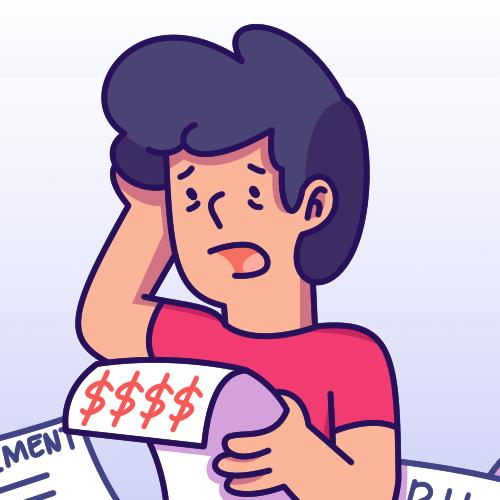
In today's fast-paced world, it's easy to get caught up in the hustle and bustle of daily life and we often neglect important tasks such as checking our bills and statements. With automated payments and digital bills, we tend to pay very little attention to our bills and statements. While checking statements may seem like a small thing, it can have a significant impact on your finances if you don’t review them regularly. I learnt that the hard way and wasted RM300 because of my negligence. In today's fast-paced world, it's easy to get caught up in the hustle and bustle of daily life and we often neglect important tasks such as checking our bills and statements. With automated payments and digital bills, we tend to pay very little attention to our bills and statements. While checking statements may seem like a small thing, it can have a significant impact on your finances if you don’t review them regularly. I learnt that the hard way and wasted RM300 because of my negligence. In today's fast-paced world, it's easy to get caught up in the hustle and bustle of daily life and we often neglect important tasks such as checking our bills and statements. With automated payments and digital bills, we tend to pay very little attention to our bills and statements. While checking statements may seem like a small thing, it can have a significant impact on your finances if you don’t review them regularly. I learnt that the hard way and wasted RM300 because of my negligence. In today's fast-paced world, it's easy to get caught up in the hustle and bustle of daily life and we often neglect important tasks such as checking our bills and statements. With automated payments and digital bills, we tend to pay very little attention to our bills and statements. While checking statements may seem like a small thing, it can have a significant impact on your finances if you don’t review them regularly. I learnt that the hard way and wasted RM300 because of my negligence. In today's fast-paced world, it's easy to get caught up in the hustle and bustle of daily life and we often neglect important tasks such as checking our bills and statements. With automated payments and digital bills, we tend to pay very little attention to our bills and statements. While checking statements may seem like a small thing, it can have a significant impact on your finances if you don’t review them regularly. I learnt that the hard way and wasted RM300 because of my negligence. In today's fast-paced world, it's easy to get caught up in the hustle and bustle of daily life and we often neglect important tasks such as checking our bills and statements. With automated payments and digital bills, we tend to pay very little attention to our bills and statements. While checking statements may seem like a small thing, it can have a significant impact on your finances if you don’t review them regularly. I learnt that the hard way and wasted RM300 because of my negligence. In today's fast-paced world, it's easy to get caught up in the hustle and bustle of daily life and we often neglect important tasks such as checking our bills and statements. With automated payments and digital bills, we tend to pay very little attention to our bills and statements. While checking statements may seem like a small thing, it can have a significant impact on your finances if you don’t review them regularly. I learnt that the hard way and wasted RM300 because of my negligence. In today's fast-paced world, it's easy to get caught up in the hustle and bustle of daily life and we often neglect important tasks such as checking our bills and statements. With automated payments and digital bills, we tend to pay very little attention to our bills and statements. While checking statements may seem like a small thing, it can have a significant impact on your finances if you don’t review them regularly. I learnt that the hard way and wasted RM300 because of my negligence. In today's fast-paced world, it's easy to get caught up in the hustle and bustle of daily life and we often neglect important tasks such as checking our bills and statements. With automated payments and digital bills, we tend to pay very little attention to our bills and statements. While checking statements may seem like a small thing, it can have a significant impact on your finances if you don’t review them regularly. I learnt that the hard way and wasted RM300 because of my negligence. In today's fast-paced world, it's easy to get caught up in the hustle and bustle of daily life and we often neglect important tasks such as checking our bills and statements. With automated payments and digital bills, we tend to pay very little attention to our bills and statements. While checking statements may seem like a small thing, it can have a significant impact on your finances if you don’t review them regularly. I learnt that the hard way and wasted RM300 because of my negligence. When I signed up for my home WIFI broadband, I was offered a promotional rate. After two months, the service provider offered to upgrade my WIFI speed for free. Obviously, I took the offer without asking many questions since it was free. Unfortunately, I didn’t realise that the free upgrade was only for a limited period. I had also automated my payments and wasn’t checking my bills so I didn’t realise that I was paying the full price for almost a year. When I signed up for my home WIFI broadband, I was offered a promotional rate. After two months, the service provider offered to upgrade my WIFI speed for free. Obviously, I took the offer without asking many questions since it was free. Unfortunately, I didn’t realise that the free upgrade was only for a limited period. I had also automated my payments and wasn’t checking my bills so I didn’t realise that I was paying the full price for almost a year. When I signed up for my home WIFI broadband, I was offered a promotional rate. After two months, the service provider offered to upgrade my WIFI speed for free. Obviously, I took the offer without asking many questions since it was free. Unfortunately, I didn’t realise that the free upgrade was only for a limited period. I had also automated my payments and wasn’t checking my bills so I didn’t realise that I was paying the full price for almost a year. When I signed up for my home WIFI broadband, I was offered a promotional rate. After two months, the service provider offered to upgrade my WIFI speed for free. Obviously, I took the offer without asking many questions since it was free. Unfortunately, I didn’t realise that the free upgrade was only for a limited period. I had also automated my payments and wasn’t checking my bills so I didn’t realise that I was paying the full price for almost a year. When I signed up for my home WIFI broadband, I was offered a promotional rate. After two months, the service provider offered to upgrade my WIFI speed for free. Obviously, I took the offer without asking many questions since it was free. Unfortunately, I didn’t realise that the free upgrade was only for a limited period. I had also automated my payments and wasn’t checking my bills so I didn’t realise that I was paying the full price for almost a year. When I signed up for my home WIFI broadband, I was offered a promotional rate. After two months, the service provider offered to upgrade my WIFI speed for free. Obviously, I took the offer without asking many questions since it was free. Unfortunately, I didn’t realise that the free upgrade was only for a limited period. I had also automated my payments and wasn’t checking my bills so I didn’t realise that I was paying the full price for almost a year. When I signed up for my home WIFI broadband, I was offered a promotional rate. After two months, the service provider offered to upgrade my WIFI speed for free. Obviously, I took the offer without asking many questions since it was free. Unfortunately, I didn’t realise that the free upgrade was only for a limited period. I had also automated my payments and wasn’t checking my bills so I didn’t realise that I was paying the full price for almost a year. When I signed up for my home WIFI broadband, I was offered a promotional rate. After two months, the service provider offered to upgrade my WIFI speed for free. Obviously, I took the offer without asking many questions since it was free. Unfortunately, I didn’t realise that the free upgrade was only for a limited period. I had also automated my payments and wasn’t checking my bills so I didn’t realise that I was paying the full price for almost a year. When I signed up for my home WIFI broadband, I was offered a promotional rate. After two months, the service provider offered to upgrade my WIFI speed for free. Obviously, I took the offer without asking many questions since it was free. Unfortunately, I didn’t realise that the free upgrade was only for a limited period. I had also automated my payments and wasn’t checking my bills so I didn’t realise that I was paying the full price for almost a year. When I signed up for my home WIFI broadband, I was offered a promotional rate. After two months, the service provider offered to upgrade my WIFI speed for free. Obviously, I took the offer without asking many questions since it was free. Unfortunately, I didn’t realise that the free upgrade was only for a limited period. I had also automated my payments and wasn’t checking my bills so I didn’t realise that I was paying the full price for almost a year. It was only when I checked my bank statement for details of an online purchase that I discovered I was paying RM30 more every month for my WIFI. When I called the service provider to ask them about the charges, they informed me that I have been billed the new rate and should have been aware of the price increase. Well, to be fair, it was really my fault that I didn’t check my bill. It was only when I checked my bank statement for details of an online purchase that I discovered I was paying RM30 more every month for my WIFI. When I called the service provider to ask them about the charges, they informed me that I have been billed the new rate and should have been aware of the price increase. Well, to be fair, it was really my fault that I didn’t check my bill. It was only when I checked my bank statement for details of an online purchase that I discovered I was paying RM30 more every month for my WIFI. When I called the service provider to ask them about the charges, they informed me that I have been billed the new rate and should have been aware of the price increase. Well, to be fair, it was really my fault that I didn’t check my bill. It was only when I checked my bank statement for details of an online purchase that I discovered I was paying RM30 more every month for my WIFI. When I called the service provider to ask them about the charges, they informed me that I have been billed the new rate and should have been aware of the price increase. Well, to be fair, it was really my fault that I didn’t check my bill. It was only when I checked my bank statement for details of an online purchase that I discovered I was paying RM30 more every month for my WIFI. When I called the service provider to ask them about the charges, they informed me that I have been billed the new rate and should have been aware of the price increase. Well, to be fair, it was really my fault that I didn’t check my bill. It was only when I checked my bank statement for details of an online purchase that I discovered I was paying RM30 more every month for my WIFI. When I called the service provider to ask them about the charges, they informed me that I have been billed the new rate and should have been aware of the price increase. Well, to be fair, it was really my fault that I didn’t check my bill. It was only when I checked my bank statement for details of an online purchase that I discovered I was paying RM30 more every month for my WIFI. When I called the service provider to ask them about the charges, they informed me that I have been billed the new rate and should have been aware of the price increase. Well, to be fair, it was really my fault that I didn’t check my bill. It was only when I checked my bank statement for details of an online purchase that I discovered I was paying RM30 more every month for my WIFI. When I called the service provider to ask them about the charges, they informed me that I have been billed the new rate and should have been aware of the price increase. Well, to be fair, it was really my fault that I didn’t check my bill. It was only when I checked my bank statement for details of an online purchase that I discovered I was paying RM30 more every month for my WIFI. When I called the service provider to ask them about the charges, they informed me that I have been billed the new rate and should have been aware of the price increase. Well, to be fair, it was really my fault that I didn’t check my bill. It was only when I checked my bank statement for details of an online purchase that I discovered I was paying RM30 more every month for my WIFI. When I called the service provider to ask them about the charges, they informed me that I have been billed the new rate and should have been aware of the price increase. Well, to be fair, it was really my fault that I didn’t check my bill. Why should you check your statements? Most people don’t check their monthly statements sent by service providers because they are either too busy or they do not see a need to do it. But besides having to pay more, there are other financial consequences if you don’t check your statements. Not knowing exactly how much you are spending For a start, if you don’t check your statements, you may not know exactly how much your fixed monthly expenses add up to. This can derail financial planning as it involves tracking your spending and budgeting. If you’re not tracking your expenses, how would you know how much to budget or if you’re exceeding it? Overpaying for services My oversight is a typical example of the financial cost incurred if you don’t check your bills and statements. Sometimes when we sign up for services that are on promotion, we tend to forget when the promotional period expires so we end up paying the full price. Another way where you might be paying extra is when you exceed your plan limit. Specifically in the case of your mobile plan, you get charged if you use more than your monthly local data bundle. Checking your bills can help you track such costs so you’re not overspending each month. Fraudulent charges This is probably one of the biggest reasons for you to check your bills and statements. Hackers and identity thieves are constantly looking for ways to steal your personal and financial information. Back in 2017, the police department noted a 120% increase in fraudulent purchases charged to mobile phone bills. If you don't review your bills and statements regularly, you may not notice when unauthorised charges have been made to your accounts. Why should you check your statements? Most people don’t check their monthly statements sent by service providers because they are either too busy or they do not see a need to do it. But besides having to pay more, there are other financial consequences if you don’t check your statements. Not knowing exactly how much you are spending For a start, if you don’t check your statements, you may not know exactly how much your fixed monthly expenses add up to. This can derail financial planning as it involves tracking your spending and budgeting. If you’re not tracking your expenses, how would you know how much to budget or if you’re exceeding it? Overpaying for services My oversight is a typical example of the financial cost incurred if you don’t check your bills and statements. Sometimes when we sign up for services that are on promotion, we tend to forget when the promotional period expires so we end up paying the full price. Another way where you might be paying extra is when you exceed your plan limit. Specifically in the case of your mobile plan, you get charged if you use more than your monthly local data bundle. Checking your bills can help you track such costs so you’re not overspending each month. Fraudulent charges This is probably one of the biggest reasons for you to check your bills and statements. Hackers and identity thieves are constantly looking for ways to steal your personal and financial information. Back in 2017, the police department noted a 120% increase in fraudulent purchases charged to mobile phone bills. If you don't review your bills and statements regularly, you may not notice when unauthorised charges have been made to your accounts. Why should you check your statements? Most people don’t check their monthly statements sent by service providers because they are either too busy or they do not see a need to do it. But besides having to pay more, there are other financial consequences if you don’t check your statements. Not knowing exactly how much you are spending For a start, if you don’t check your statements, you may not know exactly how much your fixed monthly expenses add up to. This can derail financial planning as it involves tracking your spending and budgeting. If you’re not tracking your expenses, how would you know how much to budget or if you’re exceeding it? Overpaying for services My oversight is a typical example of the financial cost incurred if you don’t check your bills and statements. Sometimes when we sign up for services that are on promotion, we tend to forget when the promotional period expires so we end up paying the full price. Another way where you might be paying extra is when you exceed your plan limit. Specifically in the case of your mobile plan, you get charged if you use more than your monthly local data bundle. Checking your bills can help you track such costs so you’re not overspending each month. Fraudulent charges This is probably one of the biggest reasons for you to check your bills and statements. Hackers and identity thieves are constantly looking for ways to steal your personal and financial information. Back in 2017, the police department noted a 120% increase in fraudulent purchases charged to mobile phone bills. If you don't review your bills and statements regularly, you may not notice when unauthorised charges have been made to your accounts. Why should you check your statements? Most people don’t check their monthly statements sent by service providers because they are either too busy or they do not see a need to do it. But besides having to pay more, there are other financial consequences if you don’t check your statements. Not knowing exactly how much you are spending For a start, if you don’t check your statements, you may not know exactly how much your fixed monthly expenses add up to. This can derail financial planning as it involves tracking your spending and budgeting. If you’re not tracking your expenses, how would you know how much to budget or if you’re exceeding it? Overpaying for services My oversight is a typical example of the financial cost incurred if you don’t check your bills and statements. Sometimes when we sign up for services that are on promotion, we tend to forget when the promotional period expires so we end up paying the full price. Another way where you might be paying extra is when you exceed your plan limit. Specifically in the case of your mobile plan, you get charged if you use more than your monthly local data bundle. Checking your bills can help you track such costs so you’re not overspending each month. Fraudulent charges This is probably one of the biggest reasons for you to check your bills and statements. Hackers and identity thieves are constantly looking for ways to steal your personal and financial information. Back in 2017, the police department noted a 120% increase in fraudulent purchases charged to mobile phone bills. If you don't review your bills and statements regularly, you may not notice when unauthorised charges have been made to your accounts. Why should you check your statements? Most people don’t check their monthly statements sent by service providers because they are either too busy or they do not see a need to do it. But besides having to pay more, there are other financial consequences if you don’t check your statements. Not knowing exactly how much you are spending For a start, if you don’t check your statements, you may not know exactly how much your fixed monthly expenses add up to. This can derail financial planning as it involves tracking your spending and budgeting. If you’re not tracking your expenses, how would you know how much to budget or if you’re exceeding it? Overpaying for services My oversight is a typical example of the financial cost incurred if you don’t check your bills and statements. Sometimes when we sign up for services that are on promotion, we tend to forget when the promotional period expires so we end up paying the full price. Another way where you might be paying extra is when you exceed your plan limit. Specifically in the case of your mobile plan, you get charged if you use more than your monthly local data bundle. Checking your bills can help you track such costs so you’re not overspending each month. Fraudulent charges This is probably one of the biggest reasons for you to check your bills and statements. Hackers and identity thieves are constantly looking for ways to steal your personal and financial information. Back in 2017, the police department noted a 120% increase in fraudulent purchases charged to mobile phone bills. If you don't review your bills and statements regularly, you may not notice when unauthorised charges have been made to your accounts. Why should you check your statements? Most people don’t check their monthly statements sent by service providers because they are either too busy or they do not see a need to do it. But besides having to pay more, there are other financial consequences if you don’t check your statements. Not knowing exactly how much you are spending For a start, if you don’t check your statements, you may not know exactly how much your fixed monthly expenses add up to. This can derail financial planning as it involves tracking your spending and budgeting. If you’re not tracking your expenses, how would you know how much to budget or if you’re exceeding it? Overpaying for services My oversight is a typical example of the financial cost incurred if you don’t check your bills and statements. Sometimes when we sign up for services that are on promotion, we tend to forget when the promotional period expires so we end up paying the full price. Another way where you might be paying extra is when you exceed your plan limit. Specifically in the case of your mobile plan, you get charged if you use more than your monthly local data bundle. Checking your bills can help you track such costs so you’re not overspending each month. Fraudulent charges This is probably one of the biggest reasons for you to check your bills and statements. Hackers and identity thieves are constantly looking for ways to steal your personal and financial information. Back in 2017, the police department noted a 120% increase in fraudulent purchases charged to mobile phone bills. If you don't review your bills and statements regularly, you may not notice when unauthorised charges have been made to your accounts. Why should you check your statements? Most people don’t check their monthly statements sent by service providers because they are either too busy or they do not see a need to do it. But besides having to pay more, there are other financial consequences if you don’t check your statements. Not knowing exactly how much you are spending For a start, if you don’t check your statements, you may not know exactly how much your fixed monthly expenses add up to. This can derail financial planning as it involves tracking your spending and budgeting. If you’re not tracking your expenses, how would you know how much to budget or if you’re exceeding it? Overpaying for services My oversight is a typical example of the financial cost incurred if you don’t check your bills and statements. Sometimes when we sign up for services that are on promotion, we tend to forget when the promotional period expires so we end up paying the full price. Another way where you might be paying extra is when you exceed your plan limit. Specifically in the case of your mobile plan, you get charged if you use more than your monthly local data bundle. Checking your bills can help you track such costs so you’re not overspending each month. Fraudulent charges This is probably one of the biggest reasons for you to check your bills and statements. Hackers and identity thieves are constantly looking for ways to steal your personal and financial information. Back in 2017, the police department noted a 120% increase in fraudulent purchases charged to mobile phone bills. If you don't review your bills and statements regularly, you may not notice when unauthorised charges have been made to your accounts. Why should you check your statements? Most people don’t check their monthly statements sent by service providers because they are either too busy or they do not see a need to do it. But besides having to pay more, there are other financial consequences if you don’t check your statements. Not knowing exactly how much you are spending For a start, if you don’t check your statements, you may not know exactly how much your fixed monthly expenses add up to. This can derail financial planning as it involves tracking your spending and budgeting. If you’re not tracking your expenses, how would you know how much to budget or if you’re exceeding it? Overpaying for services My oversight is a typical example of the financial cost incurred if you don’t check your bills and statements. Sometimes when we sign up for services that are on promotion, we tend to forget when the promotional period expires so we end up paying the full price. Another way where you might be paying extra is when you exceed your plan limit. Specifically in the case of your mobile plan, you get charged if you use more than your monthly local data bundle. Checking your bills can help you track such costs so you’re not overspending each month. Fraudulent charges This is probably one of the biggest reasons for you to check your bills and statements. Hackers and identity thieves are constantly looking for ways to steal your personal and financial information. Back in 2017, the police department noted a 120% increase in fraudulent purchases charged to mobile phone bills. If you don't review your bills and statements regularly, you may not notice when unauthorised charges have been made to your accounts. Why should you check your statements? Most people don’t check their monthly statements sent by service providers because they are either too busy or they do not see a need to do it. But besides having to pay more, there are other financial consequences if you don’t check your statements. Not knowing exactly how much you are spending For a start, if you don’t check your statements, you may not know exactly how much your fixed monthly expenses add up to. This can derail financial planning as it involves tracking your spending and budgeting. If you’re not tracking your expenses, how would you know how much to budget or if you’re exceeding it? Overpaying for services My oversight is a typical example of the financial cost incurred if you don’t check your bills and statements. Sometimes when we sign up for services that are on promotion, we tend to forget when the promotional period expires so we end up paying the full price. Another way where you might be paying extra is when you exceed your plan limit. Specifically in the case of your mobile plan, you get charged if you use more than your monthly local data bundle. Checking your bills can help you track such costs so you’re not overspending each month. Fraudulent charges This is probably one of the biggest reasons for you to check your bills and statements. Hackers and identity thieves are constantly looking for ways to steal your personal and financial information. Back in 2017, the police department noted a 120% increase in fraudulent purchases charged to mobile phone bills. If you don't review your bills and statements regularly, you may not notice when unauthorised charges have been made to your accounts. Why should you check your statements? Most people don’t check their monthly statements sent by service providers because they are either too busy or they do not see a need to do it. But besides having to pay more, there are other financial consequences if you don’t check your statements. Not knowing exactly how much you are spending For a start, if you don’t check your statements, you may not know exactly how much your fixed monthly expenses add up to. This can derail financial planning as it involves tracking your spending and budgeting. If you’re not tracking your expenses, how would you know how much to budget or if you’re exceeding it? Overpaying for services My oversight is a typical example of the financial cost incurred if you don’t check your bills and statements. Sometimes when we sign up for services that are on promotion, we tend to forget when the promotional period expires so we end up paying the full price. Another way where you might be paying extra is when you exceed your plan limit. Specifically in the case of your mobile plan, you get charged if you use more than your monthly local data bundle. Checking your bills can help you track such costs so you’re not overspending each month. Fraudulent charges This is probably one of the biggest reasons for you to check your bills and statements. Hackers and identity thieves are constantly looking for ways to steal your personal and financial information. Back in 2017, the police department noted a 120% increase in fraudulent purchases charged to mobile phone bills. If you don't review your bills and statements regularly, you may not notice when unauthorised charges have been made to your accounts. What to look out for in your statements Subscription bills Subscription fees: Subscription bills can include fees for various services, but the common ones are streaming services or gym memberships. You should look out for any changes in subscription fees as it may indicate a price hike or potential calculation errors. That said, price hikes are usually announced in advance so you might want to keep an eye out too. There are also subscription services that are renewed automatically so it’s prudent to check what you’re paying for and cancel the service if you’re not interested anymore. Free trials: Some subscription services offer free trials that automatically convert to paid subscriptions if not cancelled. You should look out for any upcoming trial expiration dates and cancel the subscription if you're not interested in continuing the service. Bank statements Charges and fees: Check for charges or fees that you don't recognise or don't understand. In fact, banks may charge for things like ATM usage, account maintenance or credit card renewal. Don’t be afraid to call your bank or service provider to clarify these charges and ask for them to be waived if possible. Automatic payments and transfers: Review any automatic payments or transfers to ensure they are correct. Cancel any subscriptions or services that you no longer use or need to help you save money. Fraudulent activity: Keep an eye out for any suspicious activity on your account, such as unauthorised transactions or withdrawals. If you notice anything unusual, contact your bank immediately to report the activity and freeze your account to prevent further fraudulent activity. What to look out for in your statements Subscription bills Subscription fees: Subscription bills can include fees for various services, but the common ones are streaming services or gym memberships. You should look out for any changes in subscription fees as it may indicate a price hike or potential calculation errors. That said, price hikes are usually announced in advance so you might want to keep an eye out too. There are also subscription services that are renewed automatically so it’s prudent to check what you’re paying for and cancel the service if you’re not interested anymore. Free trials: Some subscription services offer free trials that automatically convert to paid subscriptions if not cancelled. You should look out for any upcoming trial expiration dates and cancel the subscription if you're not interested in continuing the service. Bank statements Charges and fees: Check for charges or fees that you don't recognise or don't understand. In fact, banks may charge for things like ATM usage, account maintenance or credit card renewal. Don’t be afraid to call your bank or service provider to clarify these charges and ask for them to be waived if possible. Automatic payments and transfers: Review any automatic payments or transfers to ensure they are correct. Cancel any subscriptions or services that you no longer use or need to help you save money. Fraudulent activity: Keep an eye out for any suspicious activity on your account, such as unauthorised transactions or withdrawals. If you notice anything unusual, contact your bank immediately to report the activity and freeze your account to prevent further fraudulent activity. What to look out for in your statements Subscription bills Subscription fees: Subscription bills can include fees for various services, but the common ones are streaming services or gym memberships. You should look out for any changes in subscription fees as it may indicate a price hike or potential calculation errors. That said, price hikes are usually announced in advance so you might want to keep an eye out too. There are also subscription services that are renewed automatically so it’s prudent to check what you’re paying for and cancel the service if you’re not interested anymore. Free trials: Some subscription services offer free trials that automatically convert to paid subscriptions if not cancelled. You should look out for any upcoming trial expiration dates and cancel the subscription if you're not interested in continuing the service. Bank statements Charges and fees: Check for charges or fees that you don't recognise or don't understand. In fact, banks may charge for things like ATM usage, account maintenance or credit card renewal. Don’t be afraid to call your bank or service provider to clarify these charges and ask for them to be waived if possible. Automatic payments and transfers: Review any automatic payments or transfers to ensure they are correct. Cancel any subscriptions or services that you no longer use or need to help you save money. Fraudulent activity: Keep an eye out for any suspicious activity on your account, such as unauthorised transactions or withdrawals. If you notice anything unusual, contact your bank immediately to report the activity and freeze your account to prevent further fraudulent activity. What to look out for in your statements Subscription bills Subscription fees: Subscription bills can include fees for various services, but the common ones are streaming services or gym memberships. You should look out for any changes in subscription fees as it may indicate a price hike or potential calculation errors. That said, price hikes are usually announced in advance so you might want to keep an eye out too. There are also subscription services that are renewed automatically so it’s prudent to check what you’re paying for and cancel the service if you’re not interested anymore. Free trials: Some subscription services offer free trials that automatically convert to paid subscriptions if not cancelled. You should look out for any upcoming trial expiration dates and cancel the subscription if you're not interested in continuing the service. Bank statements Charges and fees: Check for charges or fees that you don't recognise or don't understand. In fact, banks may charge for things like ATM usage, account maintenance or credit card renewal. Don’t be afraid to call your bank or service provider to clarify these charges and ask for them to be waived if possible. Automatic payments and transfers: Review any automatic payments or transfers to ensure they are correct. Cancel any subscriptions or services that you no longer use or need to help you save money. Fraudulent activity: Keep an eye out for any suspicious activity on your account, such as unauthorised transactions or withdrawals. If you notice anything unusual, contact your bank immediately to report the activity and freeze your account to prevent further fraudulent activity. What to look out for in your statements Subscription bills Subscription fees: Subscription bills can include fees for various services, but the common ones are streaming services or gym memberships. You should look out for any changes in subscription fees as it may indicate a price hike or potential calculation errors. That said, price hikes are usually announced in advance so you might want to keep an eye out too. There are also subscription services that are renewed automatically so it’s prudent to check what you’re paying for and cancel the service if you’re not interested anymore. Free trials: Some subscription services offer free trials that automatically convert to paid subscriptions if not cancelled. You should look out for any upcoming trial expiration dates and cancel the subscription if you're not interested in continuing the service. Bank statements Charges and fees: Check for charges or fees that you don't recognise or don't understand. In fact, banks may charge for things like ATM usage, account maintenance or credit card renewal. Don’t be afraid to call your bank or service provider to clarify these charges and ask for them to be waived if possible. Automatic payments and transfers: Review any automatic payments or transfers to ensure they are correct. Cancel any subscriptions or services that you no longer use or need to help you save money. Fraudulent activity: Keep an eye out for any suspicious activity on your account, such as unauthorised transactions or withdrawals. If you notice anything unusual, contact your bank immediately to report the activity and freeze your account to prevent further fraudulent activity. What to look out for in your statements Subscription bills Subscription fees: Subscription bills can include fees for various services, but the common ones are streaming services or gym memberships. You should look out for any changes in subscription fees as it may indicate a price hike or potential calculation errors. That said, price hikes are usually announced in advance so you might want to keep an eye out too. There are also subscription services that are renewed automatically so it’s prudent to check what you’re paying for and cancel the service if you’re not interested anymore. Free trials: Some subscription services offer free trials that automatically convert to paid subscriptions if not cancelled. You should look out for any upcoming trial expiration dates and cancel the subscription if you're not interested in continuing the service. Bank statements Charges and fees: Check for charges or fees that you don't recognise or don't understand. In fact, banks may charge for things like ATM usage, account maintenance or credit card renewal. Don’t be afraid to call your bank or service provider to clarify these charges and ask for them to be waived if possible. Automatic payments and transfers: Review any automatic payments or transfers to ensure they are correct. Cancel any subscriptions or services that you no longer use or need to help you save money. Fraudulent activity: Keep an eye out for any suspicious activity on your account, such as unauthorised transactions or withdrawals. If you notice anything unusual, contact your bank immediately to report the activity and freeze your account to prevent further fraudulent activity. What to look out for in your statements Subscription bills Subscription fees: Subscription bills can include fees for various services, but the common ones are streaming services or gym memberships. You should look out for any changes in subscription fees as it may indicate a price hike or potential calculation errors. That said, price hikes are usually announced in advance so you might want to keep an eye out too. There are also subscription services that are renewed automatically so it’s prudent to check what you’re paying for and cancel the service if you’re not interested anymore. Free trials: Some subscription services offer free trials that automatically convert to paid subscriptions if not cancelled. You should look out for any upcoming trial expiration dates and cancel the subscription if you're not interested in continuing the service. Bank statements Charges and fees: Check for charges or fees that you don't recognise or don't understand. In fact, banks may charge for things like ATM usage, account maintenance or credit card renewal. Don’t be afraid to call your bank or service provider to clarify these charges and ask for them to be waived if possible. Automatic payments and transfers: Review any automatic payments or transfers to ensure they are correct. Cancel any subscriptions or services that you no longer use or need to help you save money. Fraudulent activity: Keep an eye out for any suspicious activity on your account, such as unauthorised transactions or withdrawals. If you notice anything unusual, contact your bank immediately to report the activity and freeze your account to prevent further fraudulent activity. What to look out for in your statements Subscription bills Subscription fees: Subscription bills can include fees for various services, but the common ones are streaming services or gym memberships. You should look out for any changes in subscription fees as it may indicate a price hike or potential calculation errors. That said, price hikes are usually announced in advance so you might want to keep an eye out too. There are also subscription services that are renewed automatically so it’s prudent to check what you’re paying for and cancel the service if you’re not interested anymore. Free trials: Some subscription services offer free trials that automatically convert to paid subscriptions if not cancelled. You should look out for any upcoming trial expiration dates and cancel the subscription if you're not interested in continuing the service. Bank statements Charges and fees: Check for charges or fees that you don't recognise or don't understand. In fact, banks may charge for things like ATM usage, account maintenance or credit card renewal. Don’t be afraid to call your bank or service provider to clarify these charges and ask for them to be waived if possible. Automatic payments and transfers: Review any automatic payments or transfers to ensure they are correct. Cancel any subscriptions or services that you no longer use or need to help you save money. Fraudulent activity: Keep an eye out for any suspicious activity on your account, such as unauthorised transactions or withdrawals. If you notice anything unusual, contact your bank immediately to report the activity and freeze your account to prevent further fraudulent activity. What to look out for in your statements Subscription bills Subscription fees: Subscription bills can include fees for various services, but the common ones are streaming services or gym memberships. You should look out for any changes in subscription fees as it may indicate a price hike or potential calculation errors. That said, price hikes are usually announced in advance so you might want to keep an eye out too. There are also subscription services that are renewed automatically so it’s prudent to check what you’re paying for and cancel the service if you’re not interested anymore. Free trials: Some subscription services offer free trials that automatically convert to paid subscriptions if not cancelled. You should look out for any upcoming trial expiration dates and cancel the subscription if you're not interested in continuing the service. Bank statements Charges and fees: Check for charges or fees that you don't recognise or don't understand. In fact, banks may charge for things like ATM usage, account maintenance or credit card renewal. Don’t be afraid to call your bank or service provider to clarify these charges and ask for them to be waived if possible. Automatic payments and transfers: Review any automatic payments or transfers to ensure they are correct. Cancel any subscriptions or services that you no longer use or need to help you save money. Fraudulent activity: Keep an eye out for any suspicious activity on your account, such as unauthorised transactions or withdrawals. If you notice anything unusual, contact your bank immediately to report the activity and freeze your account to prevent further fraudulent activity. What to look out for in your statements Subscription bills Subscription fees: Subscription bills can include fees for various services, but the common ones are streaming services or gym memberships. You should look out for any changes in subscription fees as it may indicate a price hike or potential calculation errors. That said, price hikes are usually announced in advance so you might want to keep an eye out too. There are also subscription services that are renewed automatically so it’s prudent to check what you’re paying for and cancel the service if you’re not interested anymore. Free trials: Some subscription services offer free trials that automatically convert to paid subscriptions if not cancelled. You should look out for any upcoming trial expiration dates and cancel the subscription if you're not interested in continuing the service. Bank statements Charges and fees: Check for charges or fees that you don't recognise or don't understand. In fact, banks may charge for things like ATM usage, account maintenance or credit card renewal. Don’t be afraid to call your bank or service provider to clarify these charges and ask for them to be waived if possible. Automatic payments and transfers: Review any automatic payments or transfers to ensure they are correct. Cancel any subscriptions or services that you no longer use or need to help you save money. Fraudulent activity: Keep an eye out for any suspicious activity on your account, such as unauthorised transactions or withdrawals. If you notice anything unusual, contact your bank immediately to report the activity and freeze your account to prevent further fraudulent activity. What can you do to make it easier to review your statements Create a System First, create a system for managing your bills and statements. Set up a designated folder in your inbox for your digital bills so you can go through them later. If you still receive bills and statements via mail, store them neatly at a designated space so you can review them at a later date. Having an organised system can help you find and review important documents easily and avoid missing any important deadlines. Make time to review the bills Fix a specific day every month to check the bills. Set a reminder in your calendar if you think you might forget. It's easy to fall into the trap of neglecting bills and statements that come in the mail or inbox, especially when you are busy with your daily routine. However, not checking these documents can result in overpaying. It can sound like a hassle but all it takes is a little discipline. Take control of your bills and statements by having a system to organise them and setting aside an hour or two a month to review them. Reviewing your bills and statements is also a great way for you to track your spending and see how you are doing in your budgeting. What can you do to make it easier to review your statements Create a System First, create a system for managing your bills and statements. Set up a designated folder in your inbox for your digital bills so you can go through them later. If you still receive bills and statements via mail, store them neatly at a designated space so you can review them at a later date. Having an organised system can help you find and review important documents easily and avoid missing any important deadlines. Make time to review the bills Fix a specific day every month to check the bills. Set a reminder in your calendar if you think you might forget. It's easy to fall into the trap of neglecting bills and statements that come in the mail or inbox, especially when you are busy with your daily routine. However, not checking these documents can result in overpaying. It can sound like a hassle but all it takes is a little discipline. Take control of your bills and statements by having a system to organise them and setting aside an hour or two a month to review them. Reviewing your bills and statements is also a great way for you to track your spending and see how you are doing in your budgeting. What can you do to make it easier to review your statements Create a System First, create a system for managing your bills and statements. Set up a designated folder in your inbox for your digital bills so you can go through them later. If you still receive bills and statements via mail, store them neatly at a designated space so you can review them at a later date. Having an organised system can help you find and review important documents easily and avoid missing any important deadlines. Make time to review the bills Fix a specific day every month to check the bills. Set a reminder in your calendar if you think you might forget. It's easy to fall into the trap of neglecting bills and statements that come in the mail or inbox, especially when you are busy with your daily routine. However, not checking these documents can result in overpaying. It can sound like a hassle but all it takes is a little discipline. Take control of your bills and statements by having a system to organise them and setting aside an hour or two a month to review them. Reviewing your bills and statements is also a great way for you to track your spending and see how you are doing in your budgeting. What can you do to make it easier to review your statements Create a System First, create a system for managing your bills and statements. Set up a designated folder in your inbox for your digital bills so you can go through them later. If you still receive bills and statements via mail, store them neatly at a designated space so you can review them at a later date. Having an organised system can help you find and review important documents easily and avoid missing any important deadlines. Make time to review the bills Fix a specific day every month to check the bills. Set a reminder in your calendar if you think you might forget. It's easy to fall into the trap of neglecting bills and statements that come in the mail or inbox, especially when you are busy with your daily routine. However, not checking these documents can result in overpaying. It can sound like a hassle but all it takes is a little discipline. Take control of your bills and statements by having a system to organise them and setting aside an hour or two a month to review them. Reviewing your bills and statements is also a great way for you to track your spending and see how you are doing in your budgeting. What can you do to make it easier to review your statements Create a System First, create a system for managing your bills and statements. Set up a designated folder in your inbox for your digital bills so you can go through them later. If you still receive bills and statements via mail, store them neatly at a designated space so you can review them at a later date. Having an organised system can help you find and review important documents easily and avoid missing any important deadlines. Make time to review the bills Fix a specific day every month to check the bills. Set a reminder in your calendar if you think you might forget. It's easy to fall into the trap of neglecting bills and statements that come in the mail or inbox, especially when you are busy with your daily routine. However, not checking these documents can result in overpaying. It can sound like a hassle but all it takes is a little discipline. Take control of your bills and statements by having a system to organise them and setting aside an hour or two a month to review them. Reviewing your bills and statements is also a great way for you to track your spending and see how you are doing in your budgeting. What can you do to make it easier to review your statements Create a System First, create a system for managing your bills and statements. Set up a designated folder in your inbox for your digital bills so you can go through them later. If you still receive bills and statements via mail, store them neatly at a designated space so you can review them at a later date. Having an organised system can help you find and review important documents easily and avoid missing any important deadlines. Make time to review the bills Fix a specific day every month to check the bills. Set a reminder in your calendar if you think you might forget. It's easy to fall into the trap of neglecting bills and statements that come in the mail or inbox, especially when you are busy with your daily routine. However, not checking these documents can result in overpaying. It can sound like a hassle but all it takes is a little discipline. Take control of your bills and statements by having a system to organise them and setting aside an hour or two a month to review them. Reviewing your bills and statements is also a great way for you to track your spending and see how you are doing in your budgeting. What can you do to make it easier to review your statements Create a System First, create a system for managing your bills and statements. Set up a designated folder in your inbox for your digital bills so you can go through them later. If you still receive bills and statements via mail, store them neatly at a designated space so you can review them at a later date. Having an organised system can help you find and review important documents easily and avoid missing any important deadlines. Make time to review the bills Fix a specific day every month to check the bills. Set a reminder in your calendar if you think you might forget. It's easy to fall into the trap of neglecting bills and statements that come in the mail or inbox, especially when you are busy with your daily routine. However, not checking these documents can result in overpaying. It can sound like a hassle but all it takes is a little discipline. Take control of your bills and statements by having a system to organise them and setting aside an hour or two a month to review them. Reviewing your bills and statements is also a great way for you to track your spending and see how you are doing in your budgeting. What can you do to make it easier to review your statements Create a System First, create a system for managing your bills and statements. Set up a designated folder in your inbox for your digital bills so you can go through them later. If you still receive bills and statements via mail, store them neatly at a designated space so you can review them at a later date. Having an organised system can help you find and review important documents easily and avoid missing any important deadlines. Make time to review the bills Fix a specific day every month to check the bills. Set a reminder in your calendar if you think you might forget. It's easy to fall into the trap of neglecting bills and statements that come in the mail or inbox, especially when you are busy with your daily routine. However, not checking these documents can result in overpaying. It can sound like a hassle but all it takes is a little discipline. Take control of your bills and statements by having a system to organise them and setting aside an hour or two a month to review them. Reviewing your bills and statements is also a great way for you to track your spending and see how you are doing in your budgeting. What can you do to make it easier to review your statements Create a System First, create a system for managing your bills and statements. Set up a designated folder in your inbox for your digital bills so you can go through them later. If you still receive bills and statements via mail, store them neatly at a designated space so you can review them at a later date. Having an organised system can help you find and review important documents easily and avoid missing any important deadlines. Make time to review the bills Fix a specific day every month to check the bills. Set a reminder in your calendar if you think you might forget. It's easy to fall into the trap of neglecting bills and statements that come in the mail or inbox, especially when you are busy with your daily routine. However, not checking these documents can result in overpaying. It can sound like a hassle but all it takes is a little discipline. Take control of your bills and statements by having a system to organise them and setting aside an hour or two a month to review them. Reviewing your bills and statements is also a great way for you to track your spending and see how you are doing in your budgeting. What can you do to make it easier to review your statements Create a System First, create a system for managing your bills and statements. Set up a designated folder in your inbox for your digital bills so you can go through them later. If you still receive bills and statements via mail, store them neatly at a designated space so you can review them at a later date. Having an organised system can help you find and review important documents easily and avoid missing any important deadlines. Make time to review the bills Fix a specific day every month to check the bills. Set a reminder in your calendar if you think you might forget. It's easy to fall into the trap of neglecting bills and statements that come in the mail or inbox, especially when you are busy with your daily routine. However, not checking these documents can result in overpaying. It can sound like a hassle but all it takes is a little discipline. Take control of your bills and statements by having a system to organise them and setting aside an hour or two a month to review them. Reviewing your bills and statements is also a great way for you to track your spending and see how you are doing in your budgeting.